
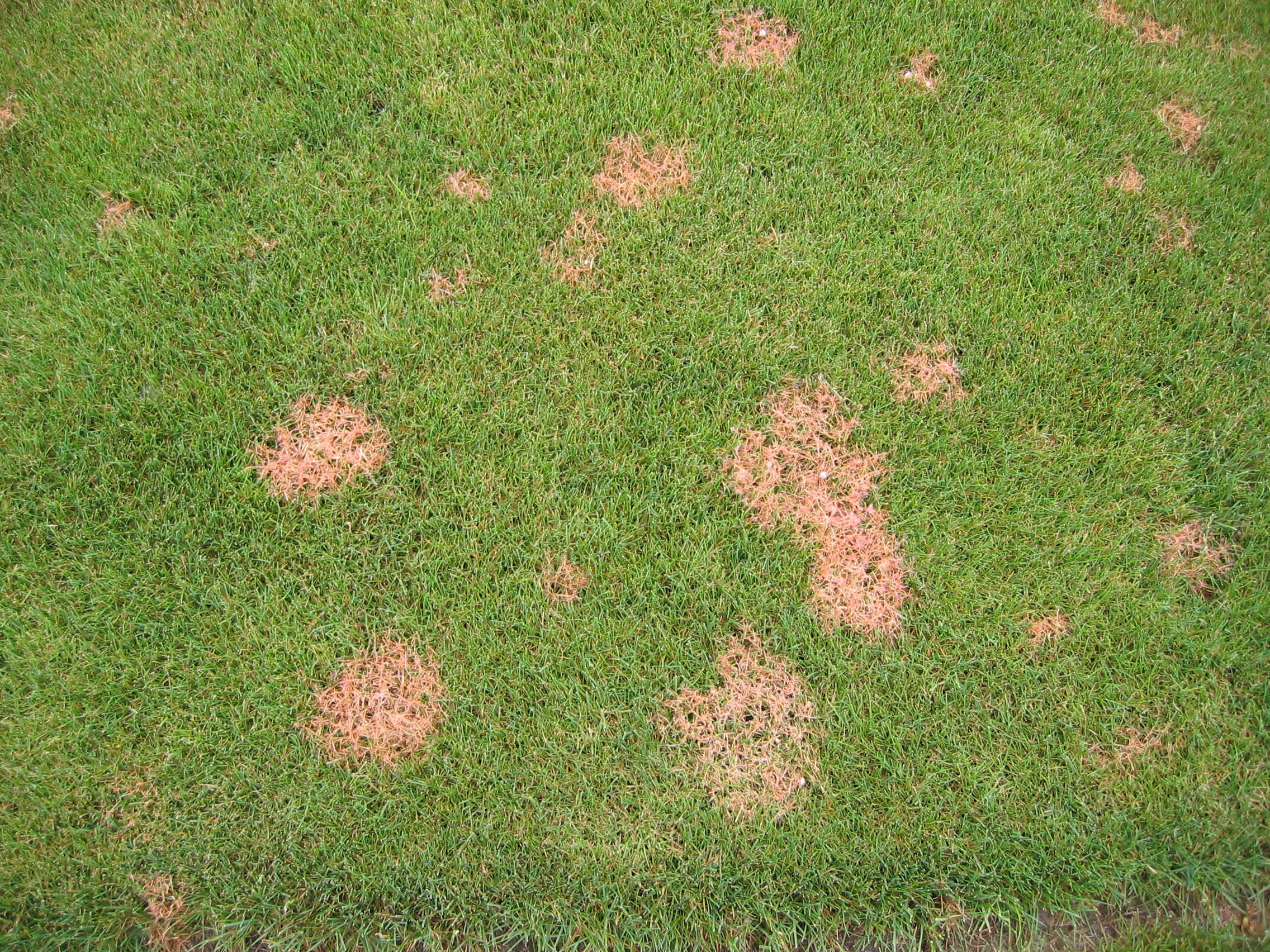
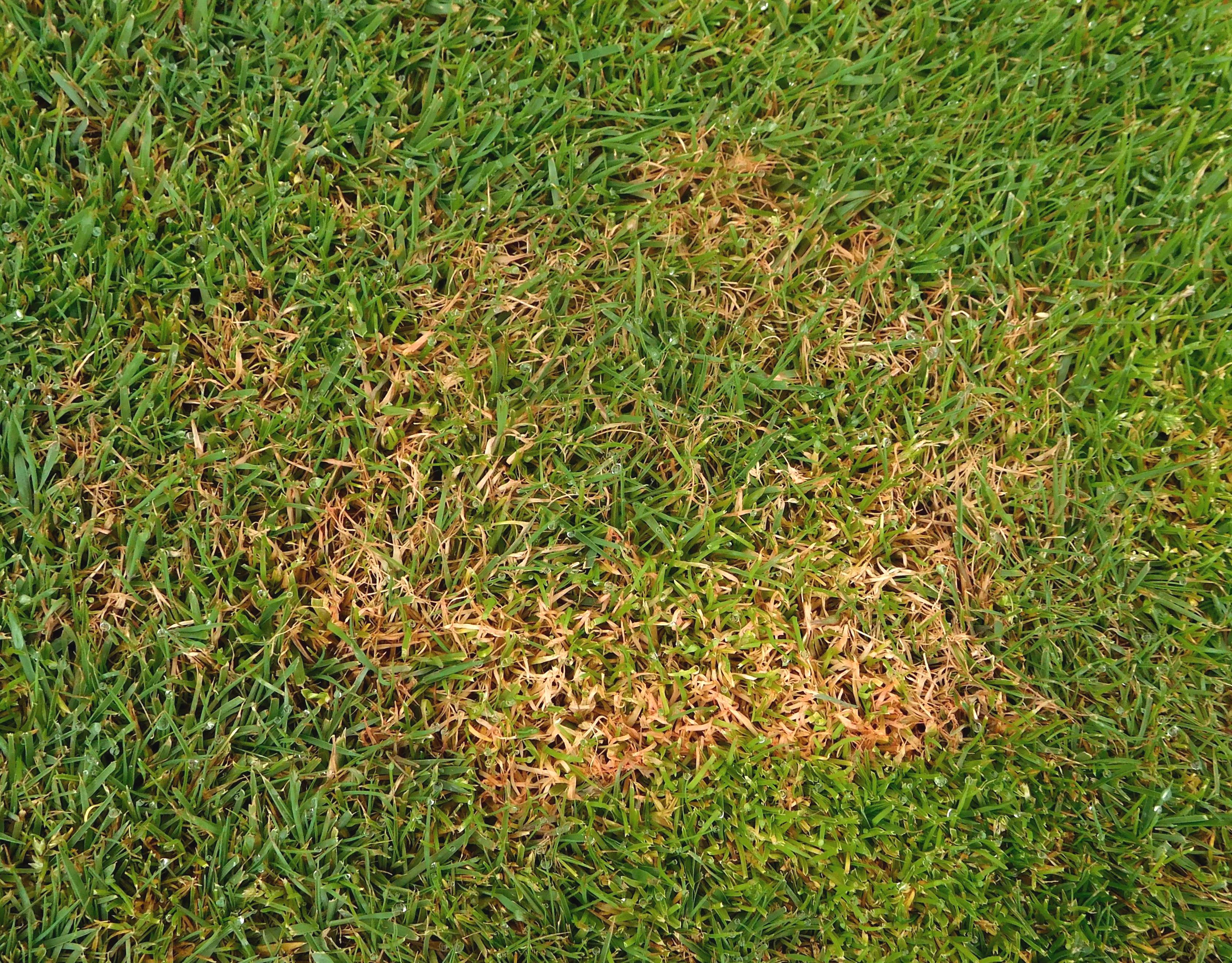
Microdochium patch (aka pink snow mold and Fusarium patch) appeared after February snows receded and produced mainly textbook symptoms, which included tan colored patches with a pinkish-red cast on the periphery. May outbreaks, in the absence of snow, generally resulted in classic reddish-brown spots 2-6” in diameter. However, some experienced reddish-rings and sometimes fringes of mycelium on greens. May outbreaks can confuse superintendents since they think of this disease as a “snow mold.” At the same time, cool temperature brown patch (aka yellow patch) may cause rings that can have either a yellow (most common) or a reddish-brown cast similar to Microdochium patch.

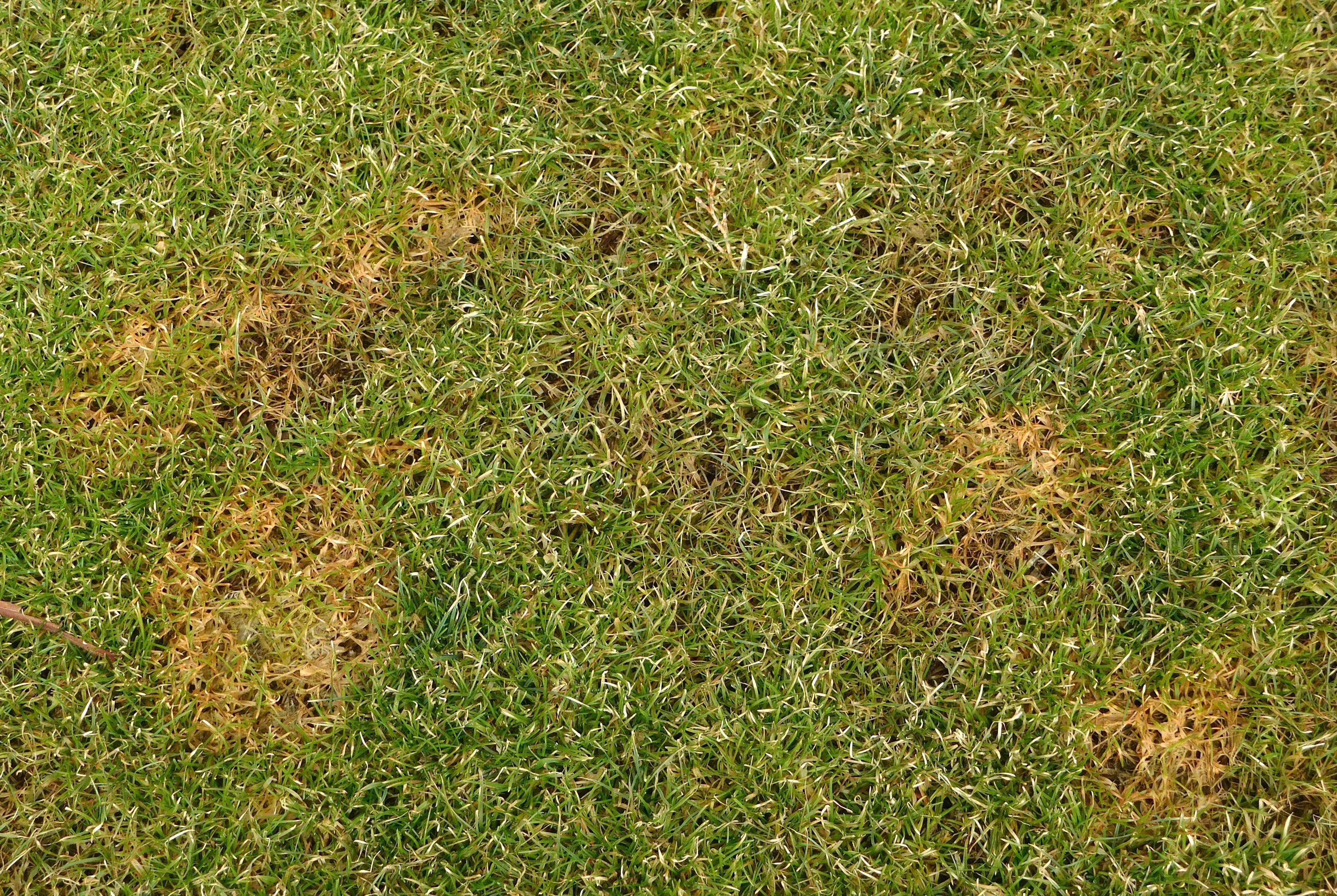
Similarly, during chilly and overcast weather in spring and late fall dollar spot develops in pink or tan-colored spots with pink or red-colored fringes. Again, this can be confused with Microdochium patch. Sometimes, during early morning hours on humid days, mycelium can be seen within the spots. Dollar spot is an enigmatic disease and I don’t think we will ever figure out when it will strike and how long an epidemic will last. It usually begins in mid-to-late May and produces the familiar bleached or tan spots. Dollar spot tends to come and go for long periods and usually the most severe outbreaks occur in late summer. Surprisingly, it often recurs in the November-December period in our region. Only during chilly weather of early spring and late fall do infection centers have a red or pink-colored cast at the periphery of infection centers.
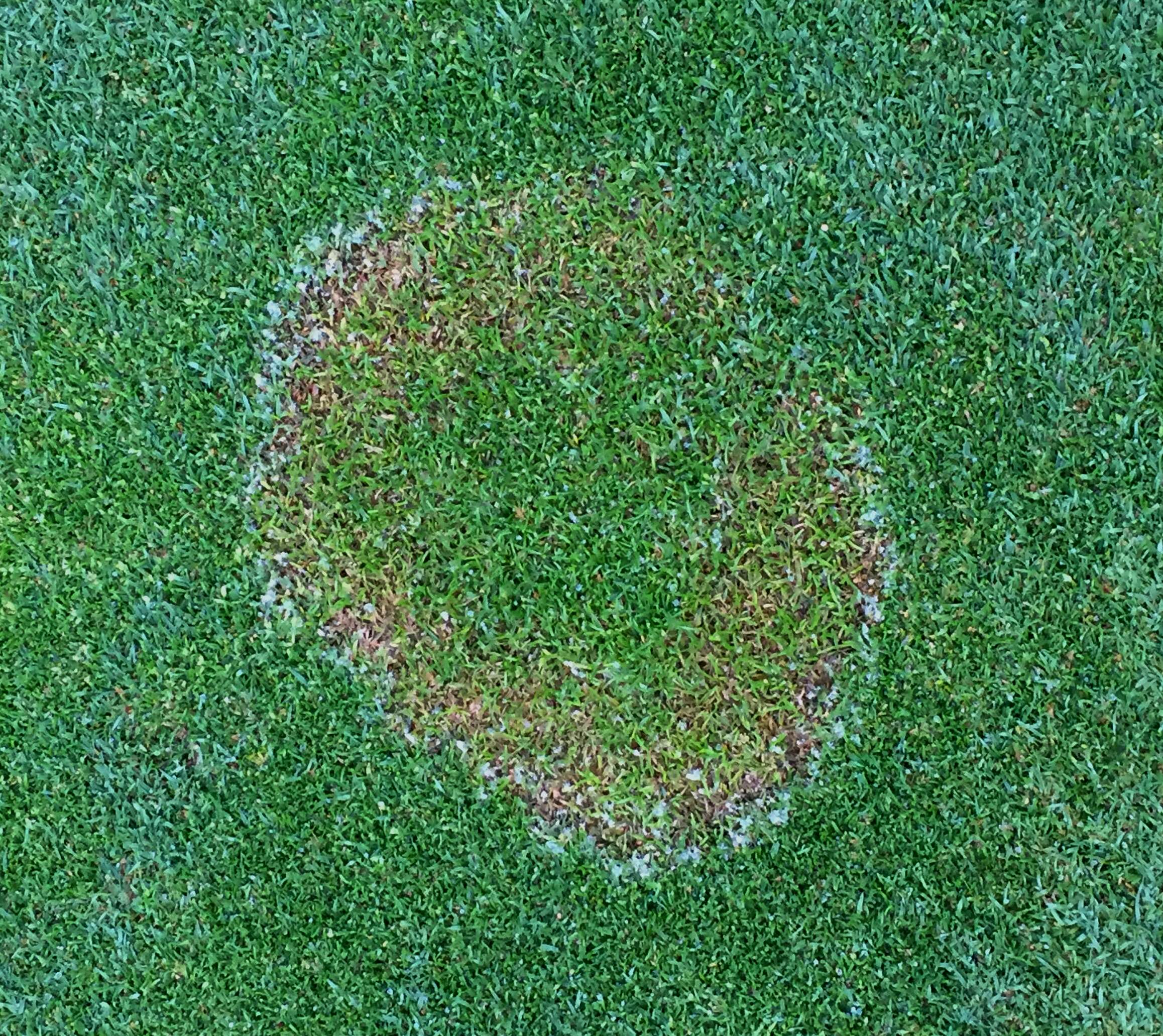
_symptoms_can_mimic_Microdochium_rings,_but_fringes_of_mycelium_are_rarely_observed,_May_2016..JPG)
Red thread was the first turf disease described, which occurred in Australia around 1865. It produces the familiar bright, reddish patches with distinctive “red threads”, which invariably are present. Red thread is most problematic in perennial ryegrass and fescues, but far less commonly in bluegrasses and creeping bentgrass. What is interesting about this disease is that it can appear at snow melt, and if it is unusually cool and overcast, it can develop in July. May, however, is the most common time for the appearance of red thread. I have seldom seen red thread in bentgrass, but this year it appeared in a bentgrass collar in May and in a most unusual ring symptom. I had not seen this before and needed the aid of a hand lens to confirm the presence of the “red threads” on blighted leaves.
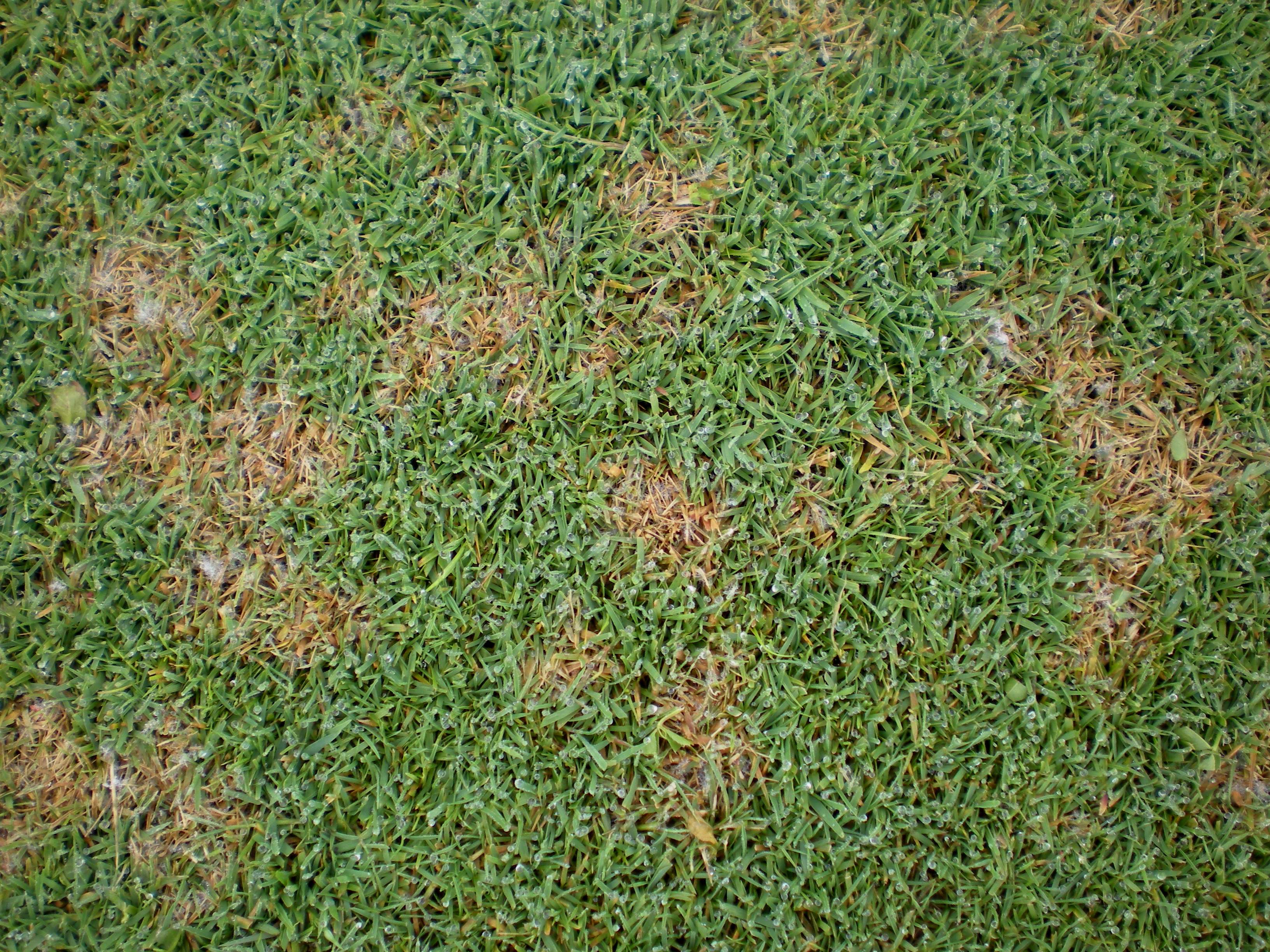
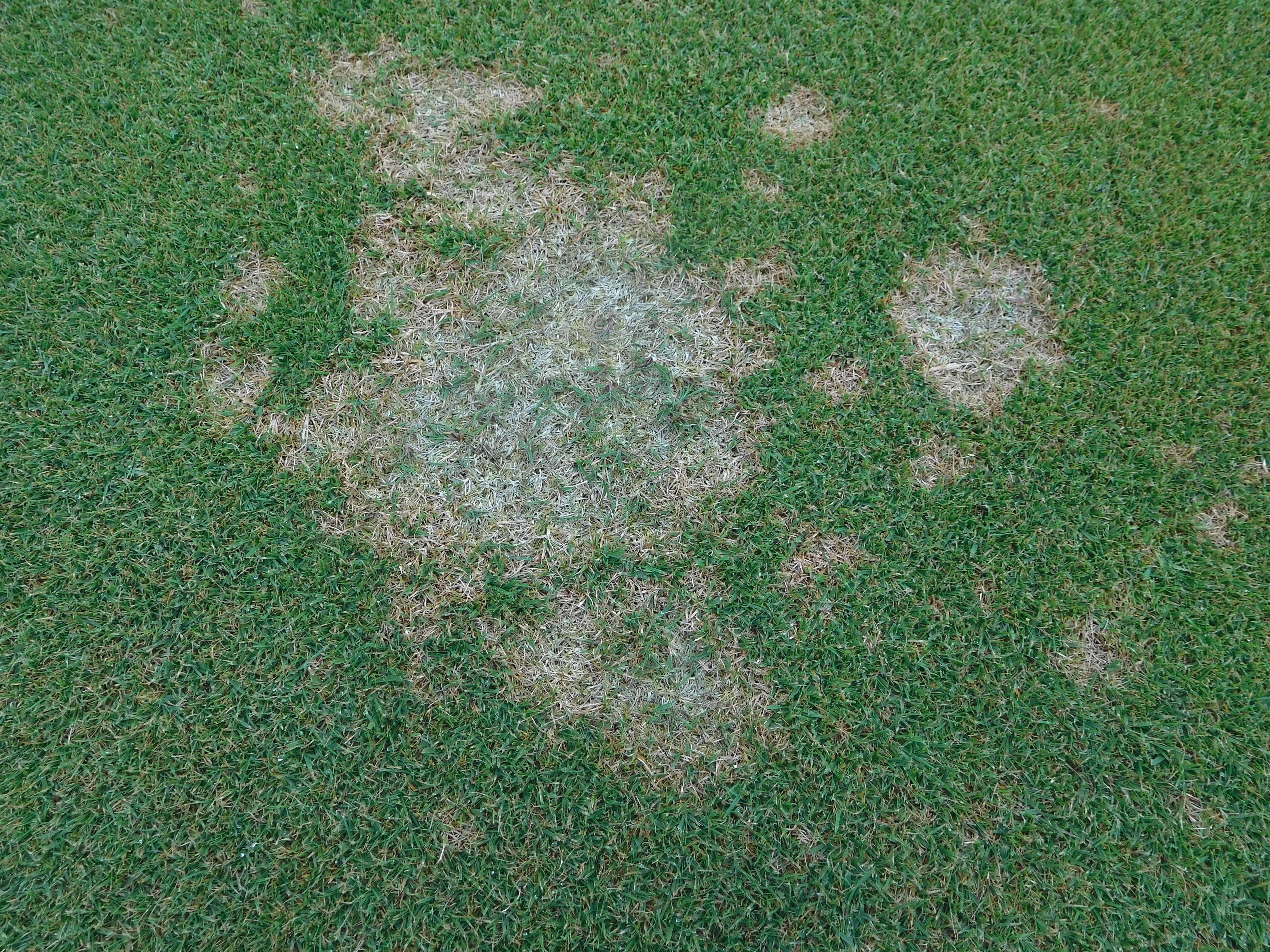
Spring dead spot is the bane of bermudagrass fairways in our region. Normally, it is expected to be most severe following a cold winter. While there were some cold and snowy periods, the winter generally was mild. Some fairways were severely damaged this year. On a given golf course, some fairways were severely affected; whereas, most showed few or no patches. Another unusual aspect is that rings, instead of solid dead patches, were a common symptom in some “Patriot” fairways. As a student of spring dead spot since the 1980’s, I have seldom seen the ring symptom dominate, and can only surmise that it had something to do with a relatively mild winter.
– Peter H. Dernoeden, Ph. D.