

How did you manage the (often competing) needs of different grass types in one location?
This could be on greens, tees, fairways, rough, and other areas. I’d like to zero in on greens for this question. Many golf courses had clay-based greens in the early days and many slowly converted to USGA Spec Greens. As time went on, many benefits were seen for growing grass on USGA Greens, putting on them, and the money was made available.
Golf Course Superintendents had to learn how to grow grass and control the different types of greens make up.
At the same time, members and the public wanted faster, firmer, plus less poa annua and seedhead on the greens. The wonderful part of these desires was that there started to be much more research from Manufacturers, Colleges, PhD’s, Seed Growers, and all of those associated in this business.
I don’t want to get too wordy on this topic so I will hit main points from the two kinds of greens that I have worked with. Clay based ‘The Ins and Outs of Managing Poa annua Putting Greens’ and USGA Spec greens. ‘A Guide To Creating The USGA Putting Green’ There are many different programs of controlling these soils and grasses, but I will concentrate on some of my methods.
There were a few 100% poa annua greens in the Mid-Atlantic area, but I did not have the manpower, irrigation system, or the budget necessary to keep 100% poa alive. During that time in the 1970’s and 1980’s, 100% poa greens were some of the best and fastest greens around the Mid-Atlantic. ‘Off the Record: Is Poa annua a friend or foe? | Golfdom’
My Clay Based Greens were made up of a solid clay base with about an 80/20 Poa to Bentgrass top in 1986. By the mid-1990s we were at 50/50.

Ten years did not get us there, but cultural and chemical controls of these two grasses became abundant and helped the surface to become smoother and faster. Embark, primo/proxy, trimmit, cutlass, (PoaCure was not on the market, but it will take out all the poa in about 3 years) Letting the annual poa die in the heat of summer also eradicated poa.
Rollers, spikers, needle tines, topdressing machines, heavy topdressing programs, deep tine machine, drill and fill machine, dethatchers, verticutters, drag brushes, penncross bentgrass. I used them all compared to much less on the new USGA Greens.
My USGA Spec Greens were sodded with A1/A4 that we grew off site. I used a 90-10 mix and then started a HAND SPREADER program topdressing with “straight” sand from the same sand mix.
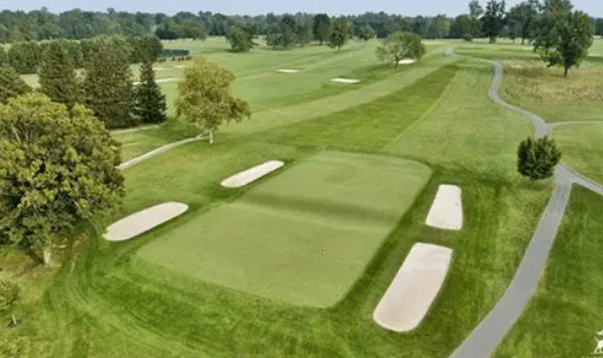
I used that same sand in all the new bunkers. Once the greens settled down to a regular fertilizer program, I fertilized with a ratio of 4-1-12 using granular fertilizers in spring and fall.
There is much more to all of this but for this writing I will leave you here. Call or Email with questions. I loved the A1/A4 on my USGA Spec greens, loved the Penntrio on my 50% soil to sand tees and even with new diseases, loved my Ryegrass fairways.
I learned over the years that when God said, “Let there be grass”, he gave the world poa annua. We know how to work with it or eradicate it and have many new tools today to help.
-Mark S. Merrick, CGCS Retired

Introducing ‘Merrick Mondays’, a segment where we hear from Mark Merrick, our resident brand Ambassador, Chief ‘Cool” Officer, and general source of wisdom and secrets of the universe, to spotlight a dose of interview-style content, weekly.