Spring seeding is on many agendas and now is the time to prepare and act. Some basics include: getting a soil test; selecting quality seed blends and mixtures; addressing seedbed weeds with an appropriate herbicide; ensuring irrigation for dry periods; using composts; and providing erosion control measures. While spring seeding’s are much more troublesome than those performed in the fall, planning is the key to success. Cost is always a major factor, but a good job can’t be done on the cheap.
Soil testing is a step that too many professionals ignore. For big jobs, it is a must and it’s fast and easy. Getting a handle on soil pH is an important first step since it will greatly influence nutrient availability for many years. The best time to address soil pH extremes (and thus nutrient availability) is just prior to establishment when there is bare/open soil. With open ground, you can apply much larger amounts of pulverized limestone to more effectively address pH extremes. It also is the best time to address nutrient deficiencies (esp. phosphorus). If you wait until after establishment, it may take hundreds of pounds of lime per 1000 sq. ft. applied over a period of years to set things right. A good target number is pH ≈6.5 and a soil test will give you guidelines on amounts of lime needed.

New construction sites in particular need to be sampled properly since there normally are excavations, trees removed, top soil improperly stock-piled, fill introduced and then everything mixed, pushed around and graded. Soil pH can vary greatly, even in a small area if soil is drastically disturbed. For example, in my lawn, an area carved from a wooded lot, I found pH’s ranging from 4.1 (probably sub-soil moved to the surface) to 5.8 (probably top soil). A big mistake is that too many just grab a spade full of soil for testing. So take the time (and expense) to get a proper sample from at least 3 separate areas (i.e., say front, middle and back). Use a simple soil probe, and take a dozen or more random samples from a 3-4” depth in each of the 3 or more separate sites. Other important numbers are those pertaining to phosphorus (P) and potassium (K) levels as well as organic matter percentages. A starter fertilizer is invariably used at seeding and contains a combination of nitrogen (N), P and K. For most purposes, the starter is formulated in roughly a 5:2:1 ratio, but it can vary and the soil test will indicate a proper ratio. The important thing for a spring seeding is to choose a starter that has about 50% of its N in a slow release form.
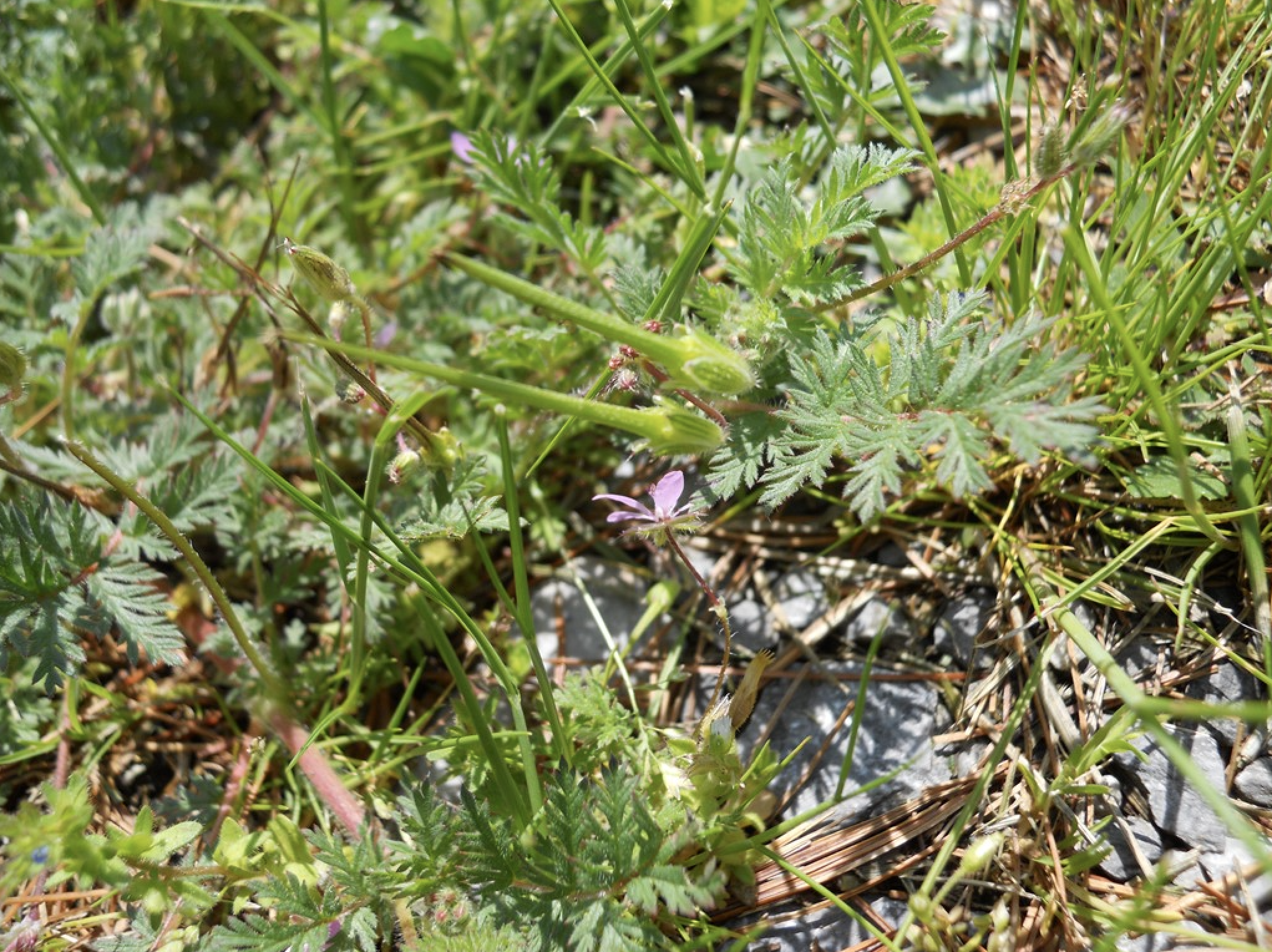
The only way to boost organic matter levels in soils is to incorporate a recommended material prior to seeding. The problem is that nobody ever figured out how best to proceed. Indeed, the idea of incorporating topsoil (way too expensive) can be an act of futility. Potential problems with topsoil include the following: without testing how are you to know its pH, nutrient and organic matter content; whether it has a poor ratio of clays and fines; whether it is loaded with weed seed; whether it contains heavy metals or salts; etc. Finally, topsoil is heavy and trucking expenses likely will greatly exceed the cost of the soil.
There was a landmark study conducted at the University of Maryland as it relates to organic matter manipulation in soils of established turf. A seven year study showed that no matter how much organic fertilizer (Ringer, Sustane and Milorganite) applied to the turf surface, they had zero impact on boosting organic matter, as well as microbial populations, below the thatch layer and in the root-zone.
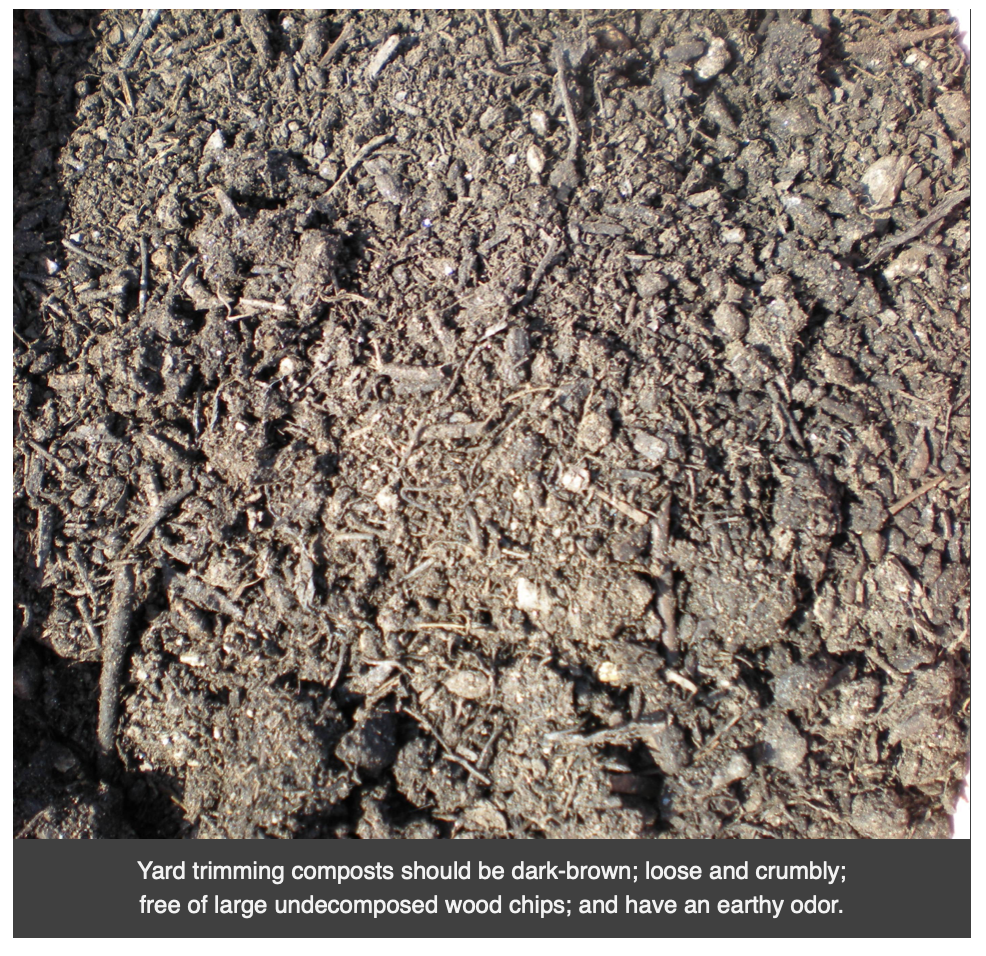
General information on selection and use of composts can be found at: “Establishment of Lawns with Compost and Microclover in the Chesapeake Bay Watershed; found by Googling Maryland Turfgrass Council Publications. The publication covers soil modification with composts; noting that a proper material can improve soil structure, increase nutrient and water retention, and provide nutrients. Composts are made from a variety of sources including yard trimmings (mostly tree leaves, grass clippings and shredded tree debris); sewage sludge’s (aka biosolids); animal manures; and paper mill and food residues. Yard trimmings probably are the most commonly used compost in turf. Yard trimming composts should be dark-brown to black in color, loose and crumbly, and have an earthy odor (avoid products smelling like ammonia or sulfur). Composts should be free of large, whitish-gray undecomposed wood chips (small, degraded/rotted slivers will be present); have a carbon: nitrogen ratio of about 30:1; and a pH range of 6.0-7.5. To improve soil before seeding/sodding, apply a compost to the soil surface with a 1” layer (3 cubic yards/1000 sq ft) or 2’layer (6 cu.yrds. /sq. ft.). The compost needs to be incorporated via rototilling into the upper 4 to 6 in.of soil, which is easier said than done. Using more than a 2” topical layer is extremely difficult to properly mix into the upper 4-6” soil. Excessively wet composts and/or soils cannot be thoroughly mixed. It is important that the compost be thoroughly mixed and not allowed to form layers.
For most situations, including lawns, roughs, sod production ,sports fields and other professionally managed areas, a blend 2 or 3 cultivars of tall fescue mixed with about 3 to 5% Kentucky bluegrass is best. Regionally adapted turf cultivars for mixes can be obtained from any County Extension office. In DE and MD, use University of Maryland’s TT77 “Recommended Turfgrass Cultivars For Certified Sod Production and Seed Mixtures in Maryland (Google Maryland Turfgrass Council Publications). Quality seed only can be obtained from a business like Genesis that caters to professionals –not the local hardware depot or farm store.
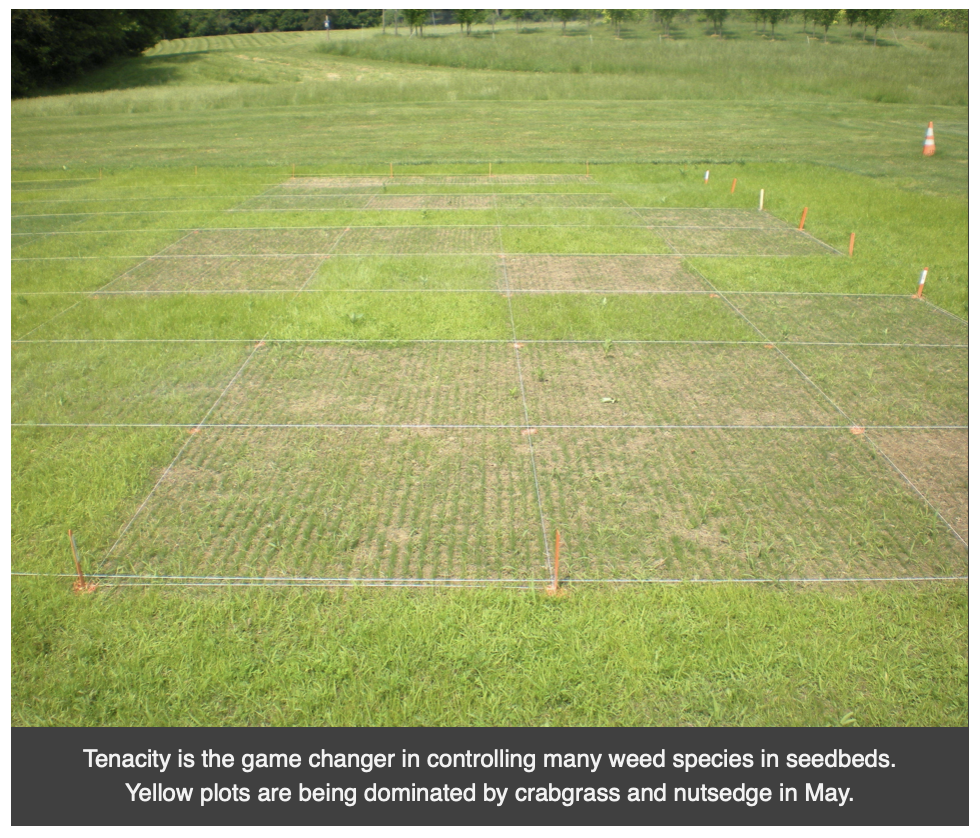
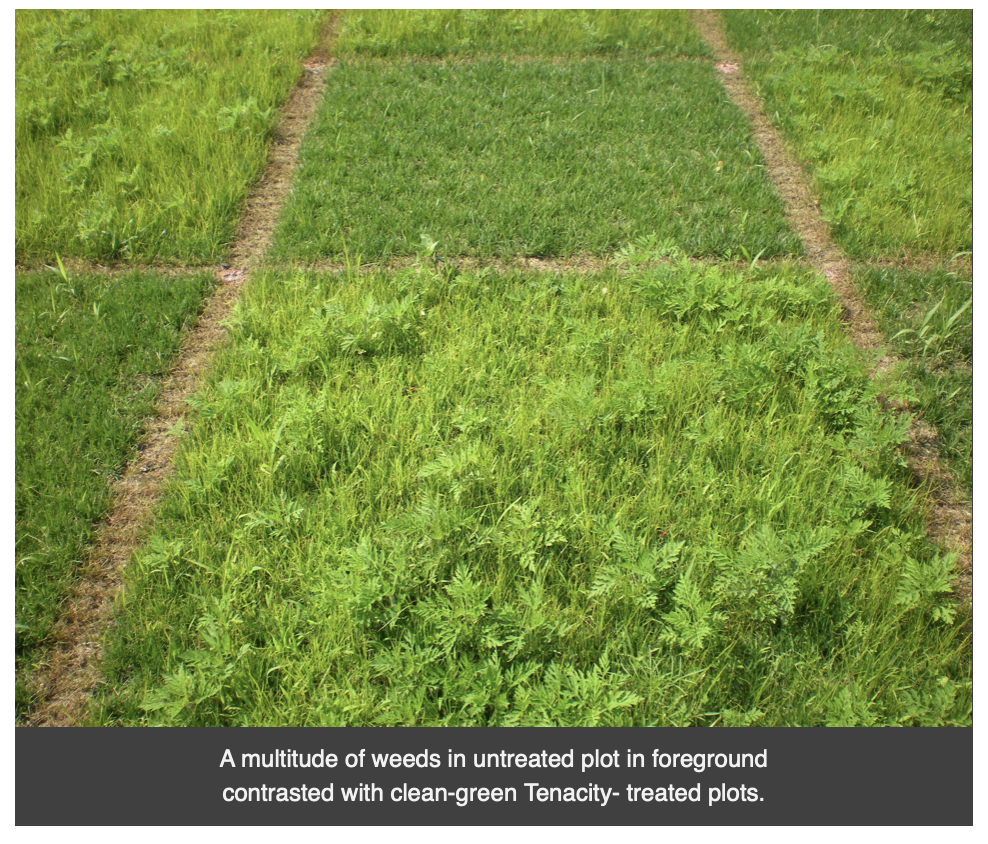
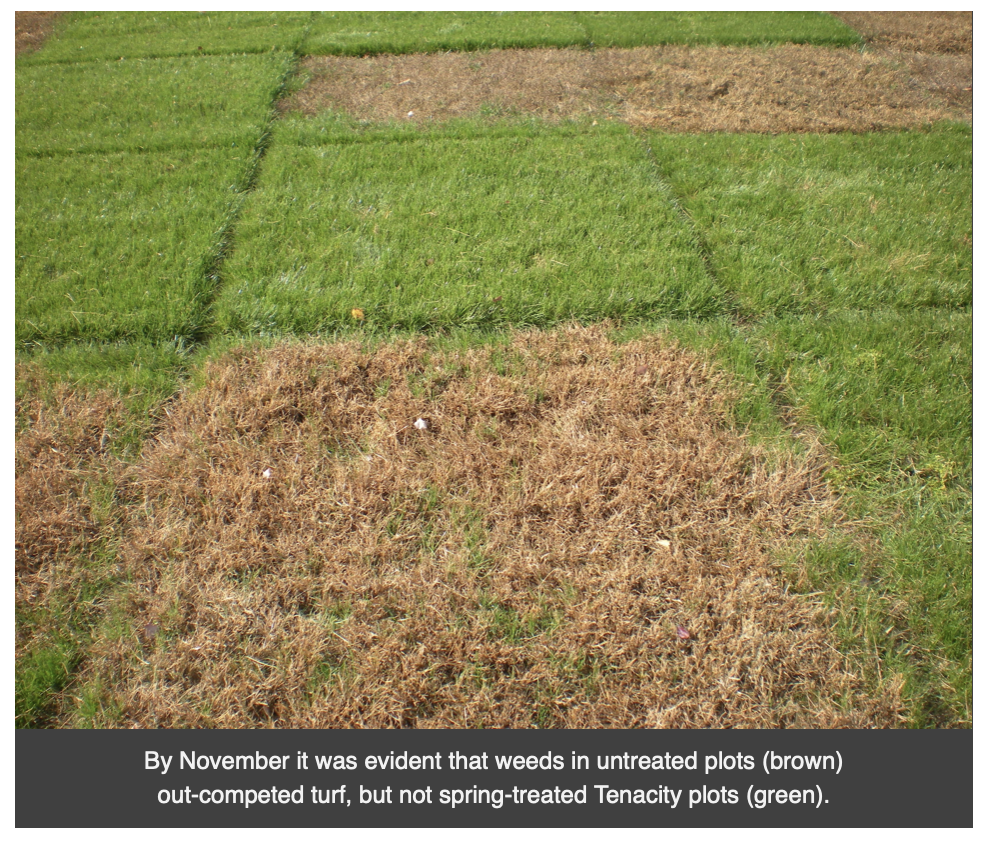
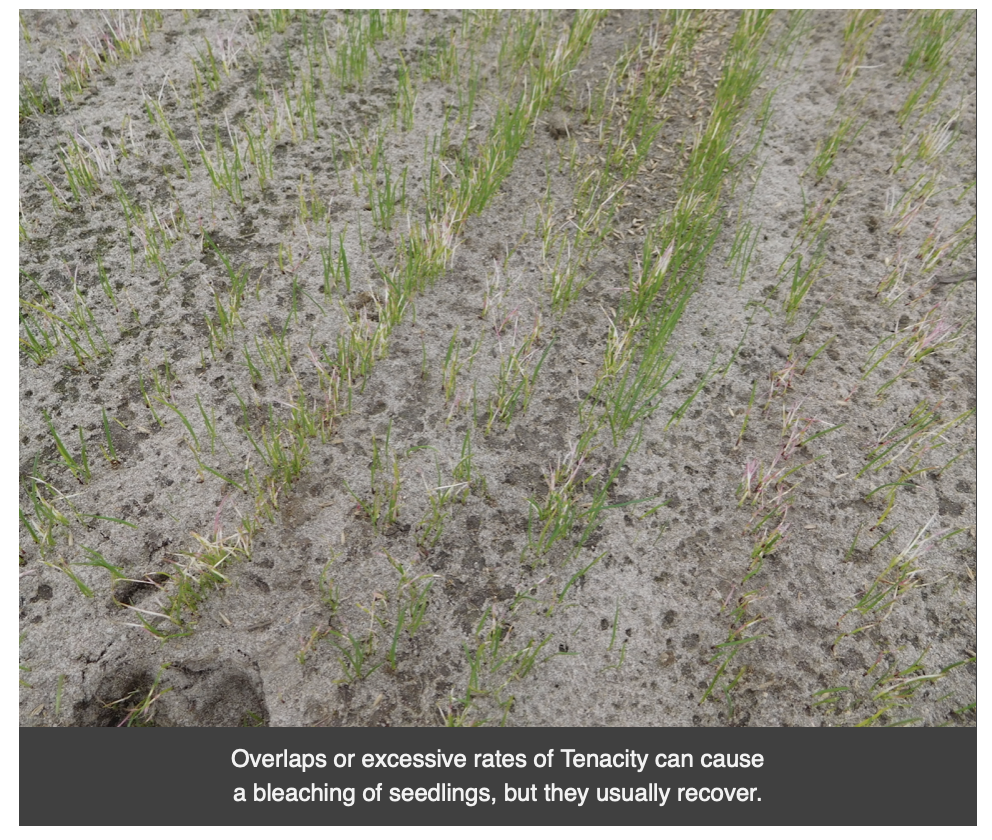
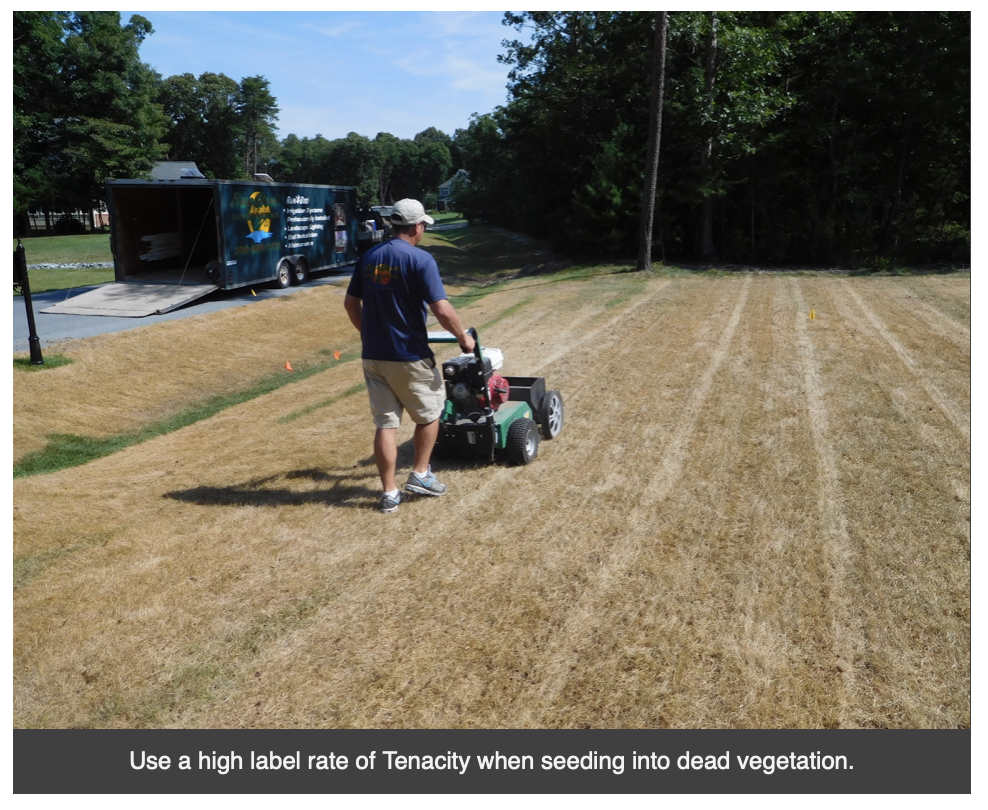
There are too many scenarios to address here as it relates to seedbed preparation. Tilling, leveling, incorporating a recommended organic product (especially helpful in sandy soils) and firming are the basics. Assuming a uniform grade, killing existing vegetation and disk/drill seed also works well. After the seedbed has been prepared, it is very important to apply a seedbed-safe preemergence herbicide like Tenacity (mesotrione) or Tupersan (siduron). The reason being is that the most common cause for spring seeding failures comes from weed competition. While Tupersan is highly effective on crabgrass and foxtails, it has little or no impact on broadleaf weeds and sedges. Tenacity has been a major game changerin successful spring seeding’s because it safely targets a multitude of common broadleaf and sedge weeds as well as crabgrass. For best results, apply Tenacity at or just after seeding and then apply a second time 4 to 6 weeks later. Use a high label Tenacity rate (e.g., 6 oz. product/acre) if seeding into Round-up-killed vegetation. It works wonders in reducing weed completion, thus allowing seedlings to tiller and for stands to mature more rapidly. Note: Tenacity is highly toxic to bentgrasses. When seeding bentgrass, use Tupersan in the seedbed for safe and effective premergence control of crabgrass and foxtails (not likely to control goosegrass or broadleaf weeds). Although expensive, Tenacity use will easily pay for itself; factoring -in labor, time and costs to purchase and apply different herbicides targeting broadleaf and annual grass weeds. Tenacity is safe to use on cool-season grass seedlings (except bentgrass), but can bleach-discolor and/or thin seedlings if excessive rates are applied (e.g., in overlaps, etc.)
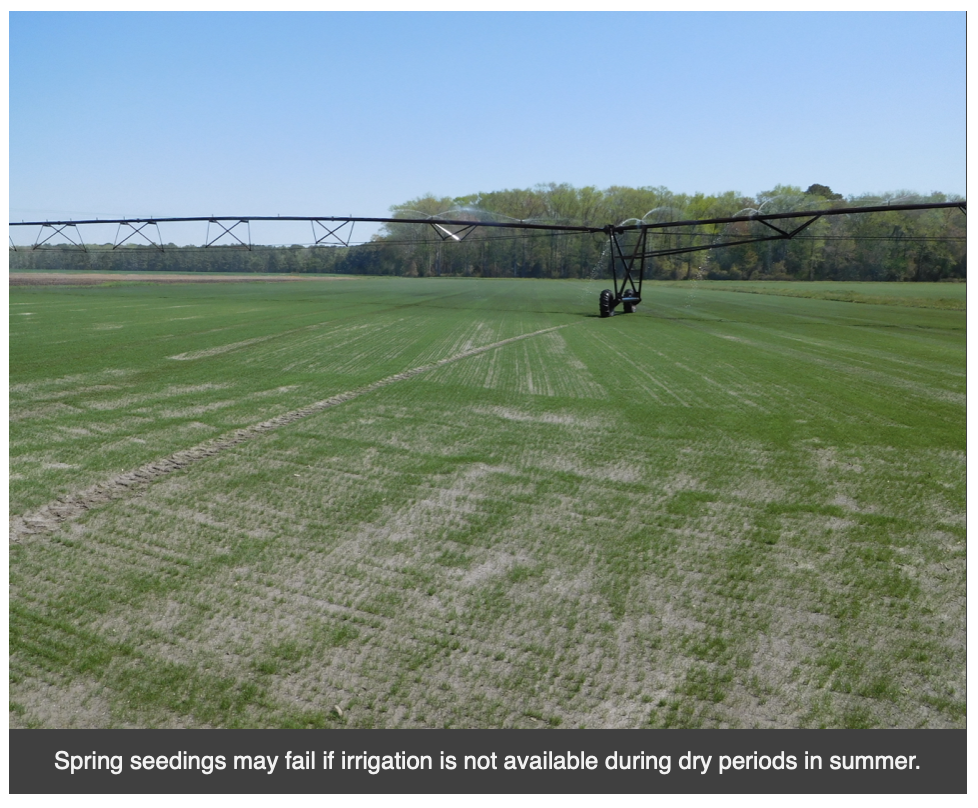
Irrigation can be a wild card. If available, it will greatly enhance success. In our region, irrigation generally is not needed in the spring until seedlings emerge. Seedling emergence is governed mostly by soil temperature in spring and timely rains that keep the seedbed moist. In general, it is best to wait until mid-April to seed to ensure soil temperatures are warm enough to promote turfgrass seed germination. Irrigation should be withheld as long as soils are moist, which again is likely to be the case in most springs. What you need to worry about most is the potential of soil erosion and seed washing in response to spring rain deluges. If the area is mostly bare soil that is prone to erosion (e.g., slopes), the site should be top-dressed by lightly scattering either straw (make sure you have a reliable weed-free source) or a compost. It is important to note that that straw should not be confused with hay. Hay contains alfalfa and other broadleaf plants (and their seed) as well as weed seeds.
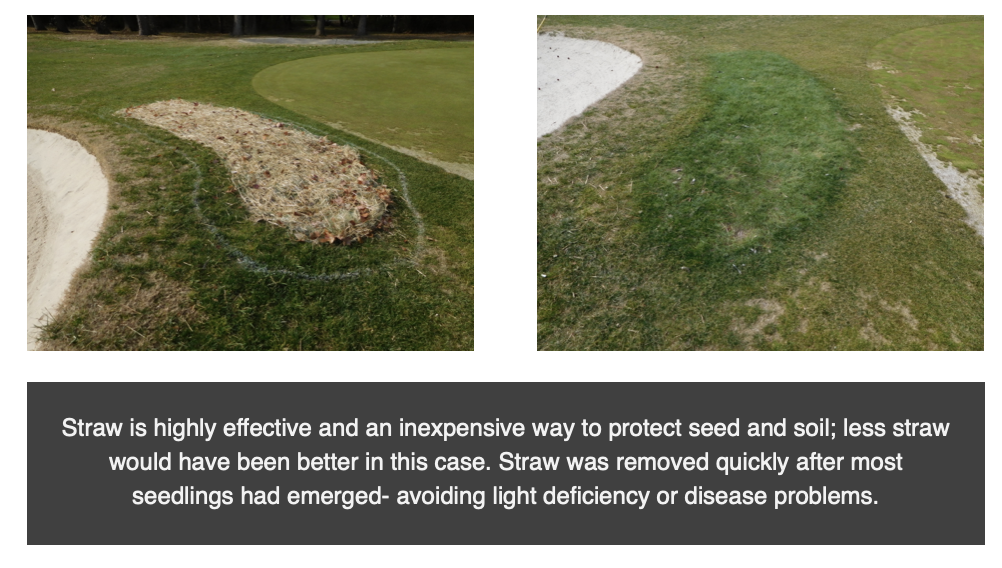
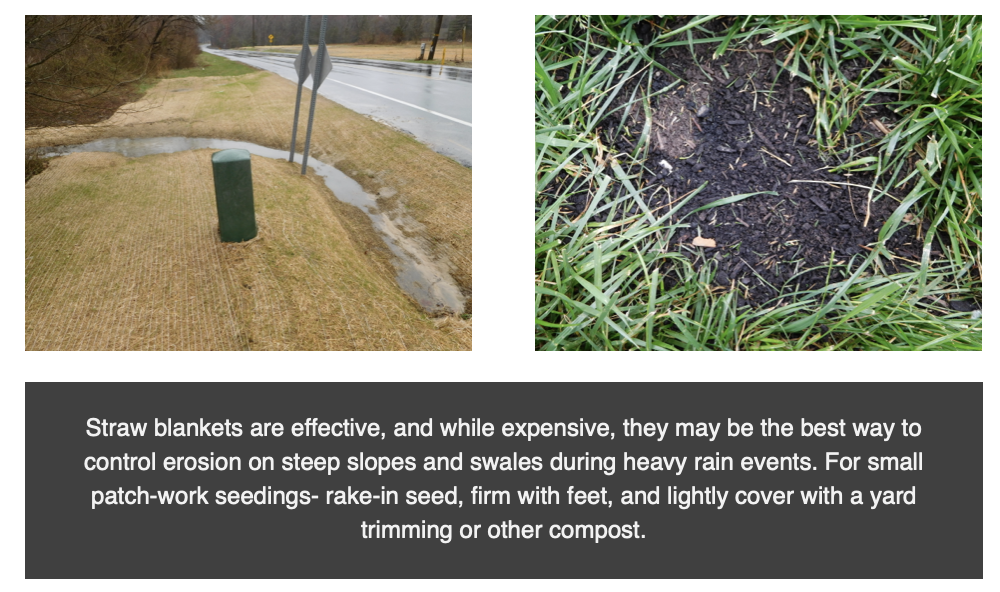
Mulching newly planted seedbeds helps to retain moisture, moderates temperature, and reduces erosion (i.e., movement of seed and soil off-site due to heavy rain events). Straw comes in bales of cereal grains (e.g., wheat, rye, barley or oats). Any small amount of cereal seed present will actually be helpful. Grains germinate fast and help to hold soil in-place, yet plants die-out quickly when mowed. Straw should be applied/sprinkled to ensure there are sufficient openings to the soil surface, which allows for sunlight penetration. Too much straw could promote disease or cause weak and spindly growth; whereas too little will not help retain soil moisture or prevent erosion. Rates of 80 to 100 lb straw per 1000 sq.ft. (a bale weighs about 35 lbs) should cover the area properly. Steep slopes may require more straw and in some cases netting to hold straw in-place. Straw should be raked or otherwise removed once stands have good density. There also are numerous “straw blanket” products on the market, which often are utilized by professionals when soils get cold from late fall (Nov.) to early spring (March). On severe slopes, and in water drainage patterns and swales, straw blankets may be the best option in preventing excess erosion. Straw blankets are weed free, effective and should have at least a 6 month durability on-site; hence they are much more expensive to use versus straw bales. For small patch-work, yard trimming composts are effective. Simply rake seed into bare areas, firm soil with feet, and then uniformly (i.e., not heavily layered) sprinkle so that there are some openings to promote sunlight penetration.